
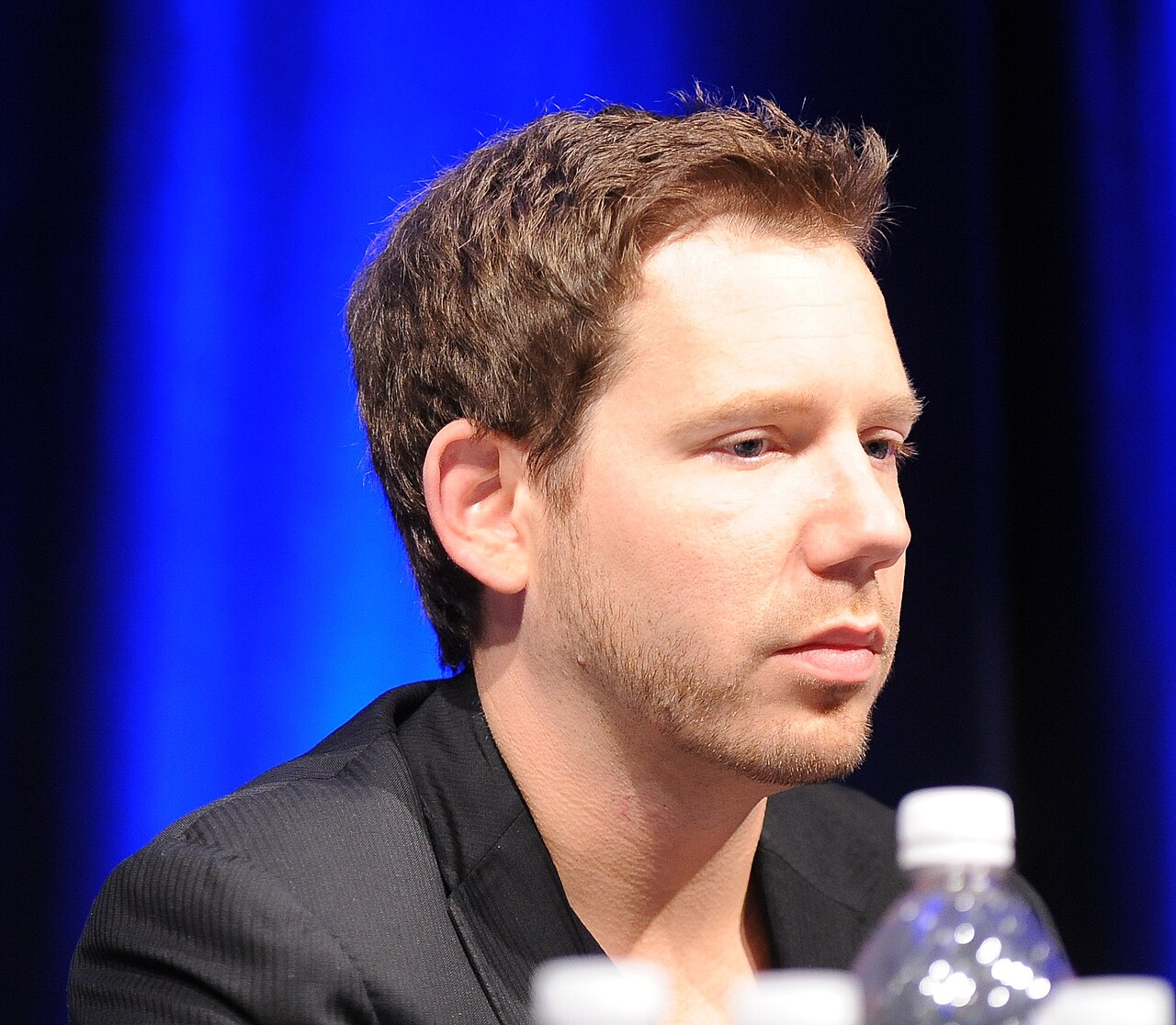
Cliff Bleszinski
The man who turned a deathmatch into a cultural phenomenon and made every bullet feel like a small explosion.

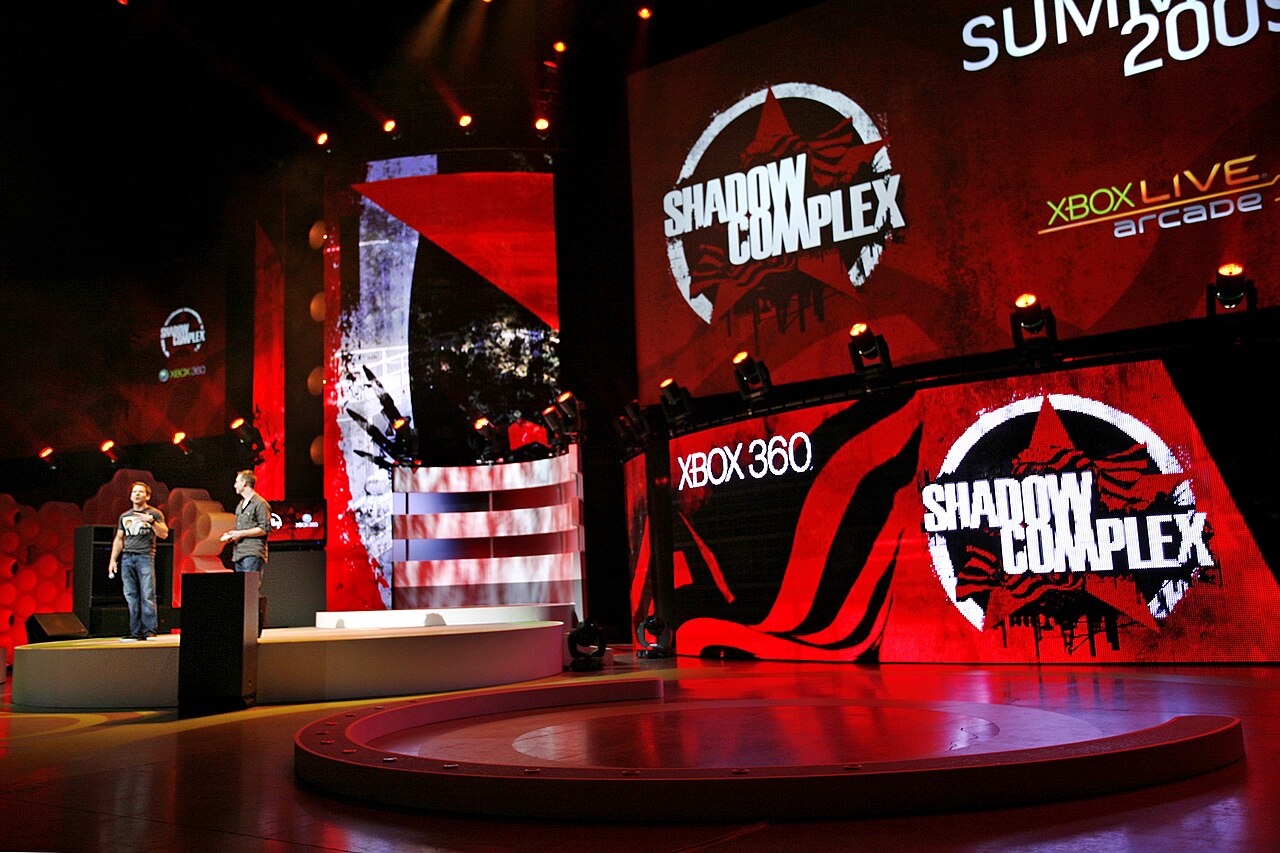
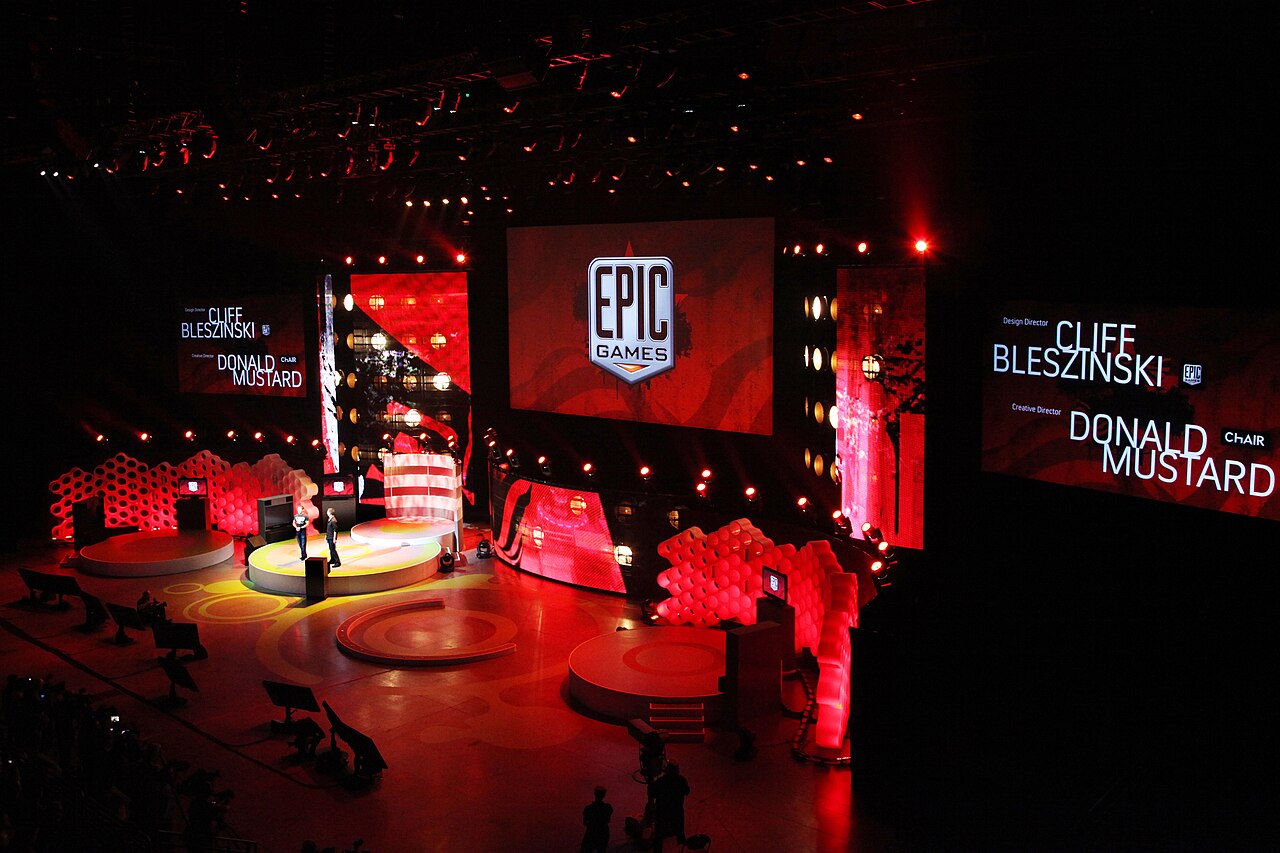
Microsoft Corporation · CC BY-SA 4.0
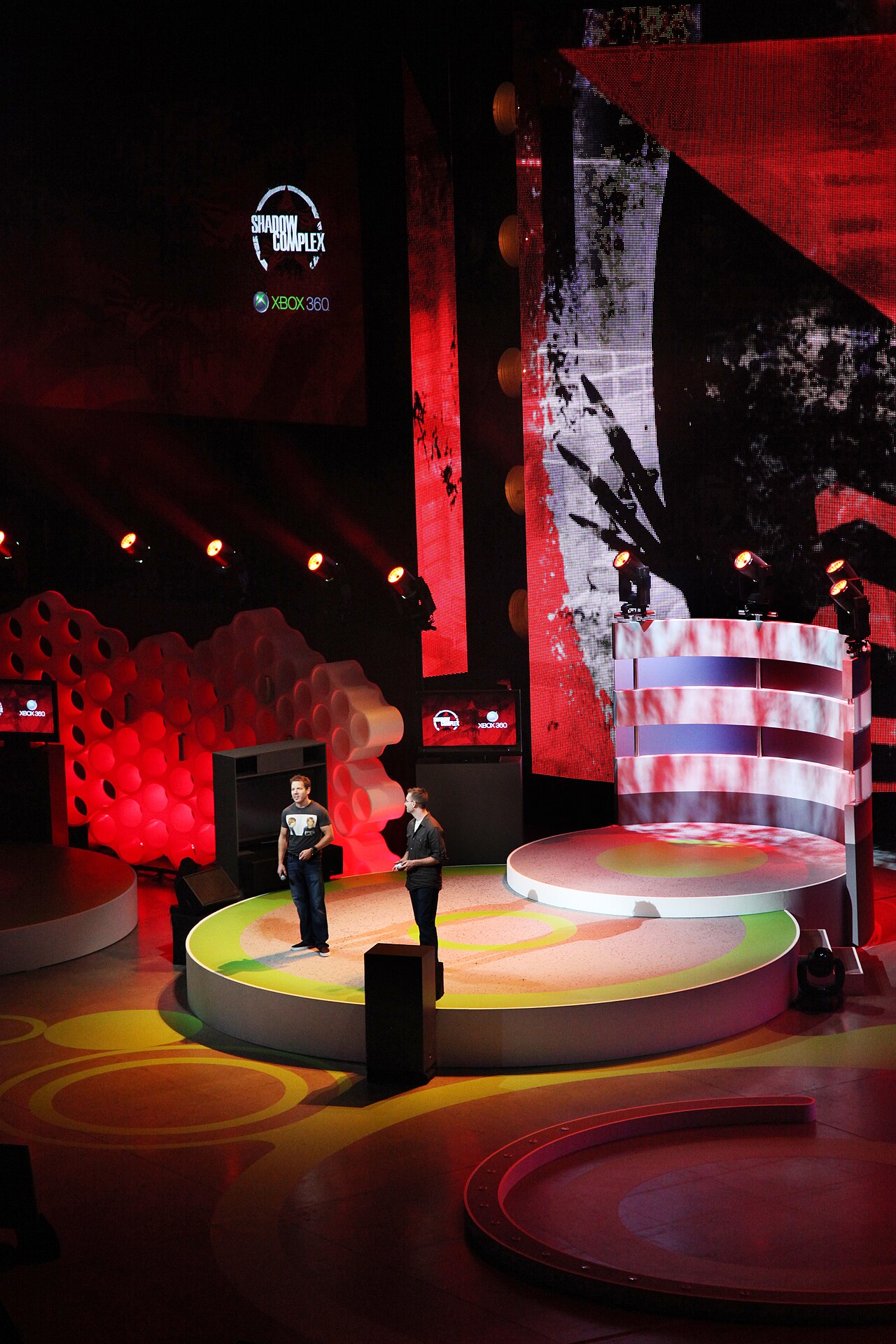
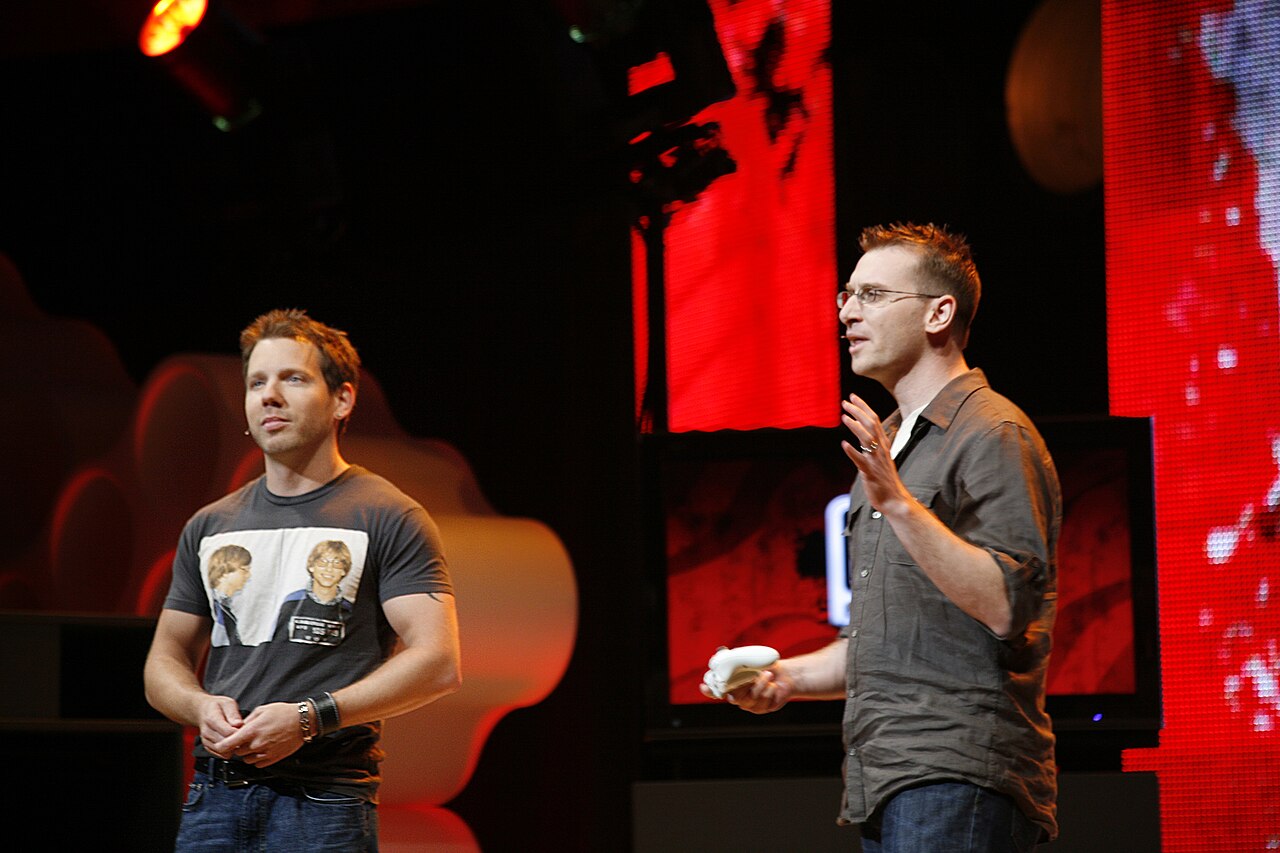
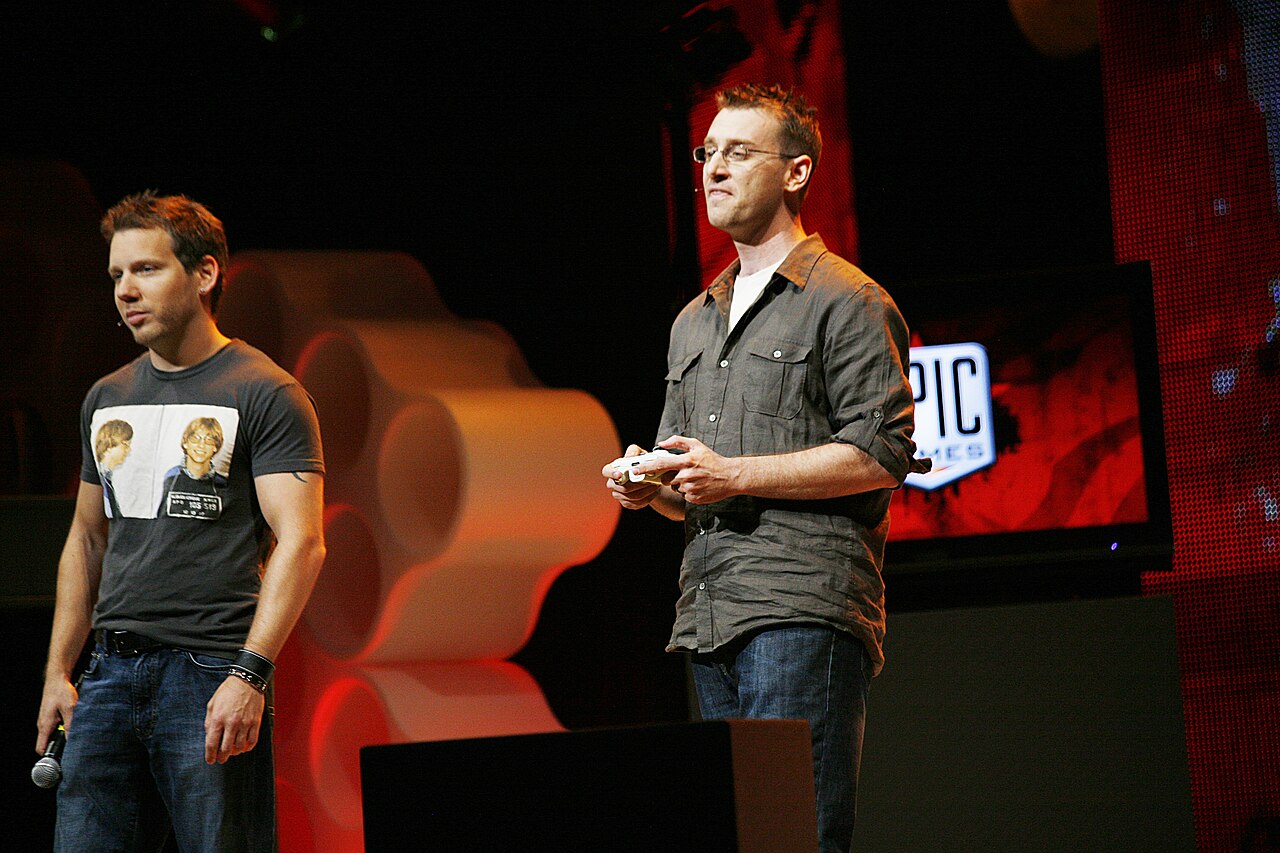
Cliff Bleszinski (born February 12, 1975), popularly known as CliffyB, is an American video game designer known for his work on the Unreal and Gears of War series while at Epic Games. He got his start at Epic Games in 1992 as a contractor after submitting a demo of an earlier game, not Dare to Dream itself, which led to a contract offer. Bleszinski joined Sweeney and James Schmalz on what would become Unreal, which received a follow-up, Unreal Tournament, and expanded into a series of games. In 2009, he was chosen by IGN as one of the top 100 game creators of all time. After leaving Epic in 2012, he co-founded Boss Key Productions in 2014, which closed in 2018 after the commercial failure of LawBreakers. Since Boss Key's closure, Bleszinski has spent his time with theater and writing.
- Role
- Creative Director
- Affiliation
- Epic Games
- Key titles
- Unreal Tournament (1999), Gears of War (2006)
- Genre focus
- First-person shooter / Third-person shooter
- Design philosophy
- Accessibility, 'juice', player agency, fun-first iteration
- Industry era
- Late 1990s – 2010s
Verified Timeline
Lore & Background
In the Unreal Tournament development culture at Epic Games, Bleszinski operated less like a traditional director and more like a relentless pressure valve for the team's creative instincts. His design briefs were famously blunt: make it faster, make it louder, make the player feel like a god for the next three seconds. The result was a game where a single rocket jump could send you through a wall, into a ceiling, and out the other side, and the player's first reaction was not confusion but delight. His influence on the game's structure was architectural. The map design philosophy—tight, multi-level arenas with dozens of weapon pickups, item spawns, and vertical traversal routes—became a template that echoed through every arena shooter that followed. The 'bunny hop' momentum system, the one-hit-kill frag grenades, the team-based modes that balanced chaos with objective play: all carried the fingerprint of a designer who believed that a player should never be idle for more than two seconds. Beyond the code, Bleszinski became a cultural figure. His public design commentary, his willingness to explain the 'why' behind a mechanic in plain language, and his unapologetic enthusiasm for games as a medium helped shift the conversation around FPS design from pure technical achievement toward player-experience thinking. He made the idea that a game could be both technically ambitious and fundamentally, almost childishly fun, a legitimate and celebrated position in the industry.
In Their Own Story
The server room hummed at 2 a.m. Cliff stood behind a developer's chair, watching a playtest of the new CTF map. The tester grabbed the rocket launcher, jumped, missed the wall by a pixel, and launched himself into the ceiling. Silence. Then the tester laughed, grabbed the frag grenade, and threw it at his own feet. The whole room exhaled. Cliff nodded once, pulled a sticky note from his pocket, and wrote: 'Make the ceiling a weapon too.' He stuck it to the monitor. By morning, the map had a ceiling that shattered into a rain of sparks and secondary pickups. The tester never knew his name. The game did.
Reader's Guide
Studio and engine: Epic Games, built on the Unreal Engine (early 2.x line). Release context: Unreal Tournament launched in 1999 as a standalone competitive title, distinct from the single-player-focused Unreal (1998), and was positioned as the definitive online deathmatch experience of its era. Key developers and design decisions: Cliff Bleszinski served as Creative Director, steering the team toward a design philosophy he often summarized as 'fun first, then make it fast.' The team prioritized tight arena maps with dense weapon and item placement, a momentum-based movement system that rewarded aggressive play, and a visual language of high-contrast lighting and particle-heavy effects. Every weapon was designed to feel distinct in weight, sound, and recoil. The 'juice' principle—screen shake, hit-stop, exaggerated impact effects—was applied across the board so that every action produced a visceral feedback loop. Lasting impact: Unreal Tournament's competitive structure, its emphasis on player skill expression through movement and weapon mastery, and its accessible entry point for new players set a benchmark that shaped the arena FPS genre for the following decade. The map design vocabulary it established—multi-level arenas, central item spawns, vertical traversal as a core skill—became standard language in competitive shooters. Bleszinski's public articulation of design reasoning also influenced how studios communicated development philosophy to both players and the press, helping to normalize the idea that game design was a craft worth discussing in detail rather than a proprietary secret.
Did You Know?
- Bleszinski's first published game was Dare to Dream (1992), not The Palace of Deceit, which was an earlier personal project he started at age 15.
- The claim that he appeared in the second issue of Nintendo Power in 1988 for a high score in Super Mario Bros. is unverifiable and likely incorrect.
- He participated in the Nintendo World Championships at age 15, placing second in the Massachusetts state finals, not second in the Boston regional at age 14.
- The nickname 'CliffyB' was given to him derogatorily by 'some jock kid' when he was a shy teenager; he then took it and developed a tougher persona around it.
From Teenage Programmer to Industry Titan
Cliff Bleszinski's path into game design began in adolescence, when at fifteen he programmed an adventure game called The Palace of Deceit in Visual Basic. His professional career launched in 1992 when he submitted a project called Dare to Dream directly to Epic Games CEO Tim Sweeney. Though that title underperformed, it opened the door to Jazz Jackrabbit in 1994, a platformer that became Epic's top-selling game at the time and funded his first apartment and car. Around that same period, he joined Sweeney and James Schmalz on what would grow into the Unreal franchise, spanning multiple titles including Unreal Tournament. He also served as creative consultant on Rune. His most commercially significant role came as lead designer on the first three Gears of War entries, a franchise that had sold more than 22 million copies and generated over a billion dollars in revenue by early 2014. After two decades at Epic, he departed in October 2012, then co-founded Boss Key Productions with Arjan Brussee in 2014. The studio's free-to-play arena shooter LawBreakers failed to find a commercial audience, and Boss Key dissolved in May 2018.
The Birth of Gears of War and a Hard Exit
The Gears of War franchise did not arrive fully formed. It began as Unreal Warfare, a first-person shooter set in the Unreal universe. Bleszinski later explained in his 2007 GDC talk, "Designing Gears of War: Iteration Wins," how the project shifted dramatically. The cover-based mechanic from Namco's 2003 title Kill Switch and the third-person perspective of Resident Evil 4 together reshaped the game's identity, transforming it from a conventional Unreal-style shooter into the tactical, over-the-shoulder experience fans now recognize. This iterative design philosophy became central to the franchise's success. His departure from Epic in October 2012 marked a painful turning point. In a 2015 interview with Destructoid, he revealed he had originally intended to retire permanently, citing a pervasive jadedness among both gamers and his talented colleagues. He recalled pitching ambitious ideas near the end of his tenure only to be met with flat rejections. The experience left him feeling creatively exhausted, prompting his initial desire to step away from the industry entirely before eventually returning to found Boss Key Productions.
Recognition and Cultural Footprint
Bleszinski's influence on the gaming landscape earned him numerous industry honors. In 2000, PC Gamer placed him on its November cover as one of the "Next Game Gods." Wired magazine honored him with a Rave Award in 2007 for his contributions to Gears of War, and the following year Tom Bissell profiled him in The New Yorker in a piece called "The Grammar of Fun." IGN ranked him among the top 100 game creators of all time in 2009. His public profile expanded further when he appeared on NBC's Late Night with Jimmy Fallon in April 2010 to debut the Gears of War 3 trailer, citing Space Invaders as his earliest creative inspiration. Beyond formal accolades, he carved out a distinctive cultural presence. In 1998 he gained early internet fame by hosting a contest where visitors to his website scanned their cats on flatbed scanners and submitted the images for judging. He also served on the advisory board of Fig, a crowdfunding and investment platform, in 2016. His work on Gears of War, which sold over 22 million copies and crossed the billion-dollar mark, cemented his status as a defining designer of the mid-2000s action-shooter era.
Beyond the Screen: Theater, Writing, and a Personal Story
After Boss Key's closure, Bleszinski redirected his creative energy toward theater and writing. He invested in and co-produced the musical Hadestown and was similarly involved in a revival of Frankie and Johnny in the Clair de Lune. His memoir, Control Freak: My Epic Adventure Making Video Games, was published in November 2022 by Simon & Schuster, and in April 2023 he announced a comic book series called Scrapper, co-created with Alex De Campi and illustrated by Sandy Jarrell. His personal history adds texture to the public figure. Born in 1975, he received a Nintendo Entertainment System for Christmas in 1987 and became so devoted that friends called him "Nintendo Boy." At thirteen, his Super Mario Bros. high score of 9,999,950 earned a spot in the inaugural issue of Nintendo Power, a moment he later described as a subconscious turning point in his aspirations. His father, a Polaroid engineer, passed away when Cliff was fifteen. He is married to Lauren Bleszinski, a former professional gamer and id Software employee, and his brother Tyler founded SB Nation. The nickname "CliffyB," originally bestowed by a schoolyard bully, became his professional identity until he expressed in 2008 a wish to retire it.
Gallery
Frequently Asked Questions
Who is Cliff Bleszinski?
Cliff Bleszinski is a game designer and Creative Director at Epic Games who served as the primary creative voice behind Unreal Tournament (1999). He became the public face of Epic's design philosophy during the Unreal era and later held the same Creative Director role on Gears of War (2006).
What was Cliff Bleszinski's specific role on Unreal Tournament?
He held the title of Creative Director, meaning he shaped the game's overall creative vision rather than overseeing a single mechanical system. His focus was on forging a chaotic, weapon-heavy arena shooter that felt immediately accessible to new players while remaining deeply satisfying for veterans.
What does "juice" mean in Cliff Bleszinski's design philosophy?
In Bleszinski's vocabulary, "juice" refers to the tactile, sensory feedback that makes every in-game action—firing a weapon, landing a kill, dodging a projectile—feel physically explosive and rewarding. It sat alongside accessibility and player agency as a core pillar of how he wanted Unreal Tournament to feel in the player's hands.
Did Cliff Bleszinski work on major titles after Unreal Tournament?
Yes, he returned to Epic Games as Creative Director on Gears of War (2006), carrying his fun-first, juice-heavy design thinking into a third-person shooter. His career in the industry spanned the late 1990s through the 2010s across both first-person and third-person shooter genres.
Why is Cliff Bleszinski considered important to Unreal Tournament's legacy?
He is widely credited with transforming a straightforward deathmatch into a cultural phenomenon by insisting that every bullet should hit like a small explosion and that player agency must always come first. His emphasis on chaotic, weapon-heavy arena combat and immediate tactile feedback defined the title's identity and influenced the FPS genre for years afterward.
More in Development & Legacy
Related in Unreal Tournament
Links follow this subject's own source article.
Elsewhere in the Unreal Tournament universe
Spotted an error? Know more?
This is a living reference — every entry is fact-audited, and reader corrections feed straight into our audit queue. Suggest an edit · See this site's audit record